
Executive health guide · October 2, 2026
Resilience for leaders: build capacity before the hard quarter
By Dai Manuel · Updated October 5, 2026
Resilience is not something leaders find in a crisis. It is built in the weeks before. Here is where to start.
Most leaders go looking for resilience in the middle of a crisis. By then you are spending it, not building it.
Key takeaways
Build capacity before the hard week
- Identify one early signal that pressure is rising.
- Protect a small repeatable movement or recovery slot.
- Agree what can wait and what needs a real-time response.
- Review the habit and workload together after a week.
Capacity is built in boring weeks
The hard quarter will come. A funding round, a restructure, a key person leaving. What gets you through is whatever you put in the bank before it arrived: fitness, sleep, a few people who tell you the truth.
Four places to start
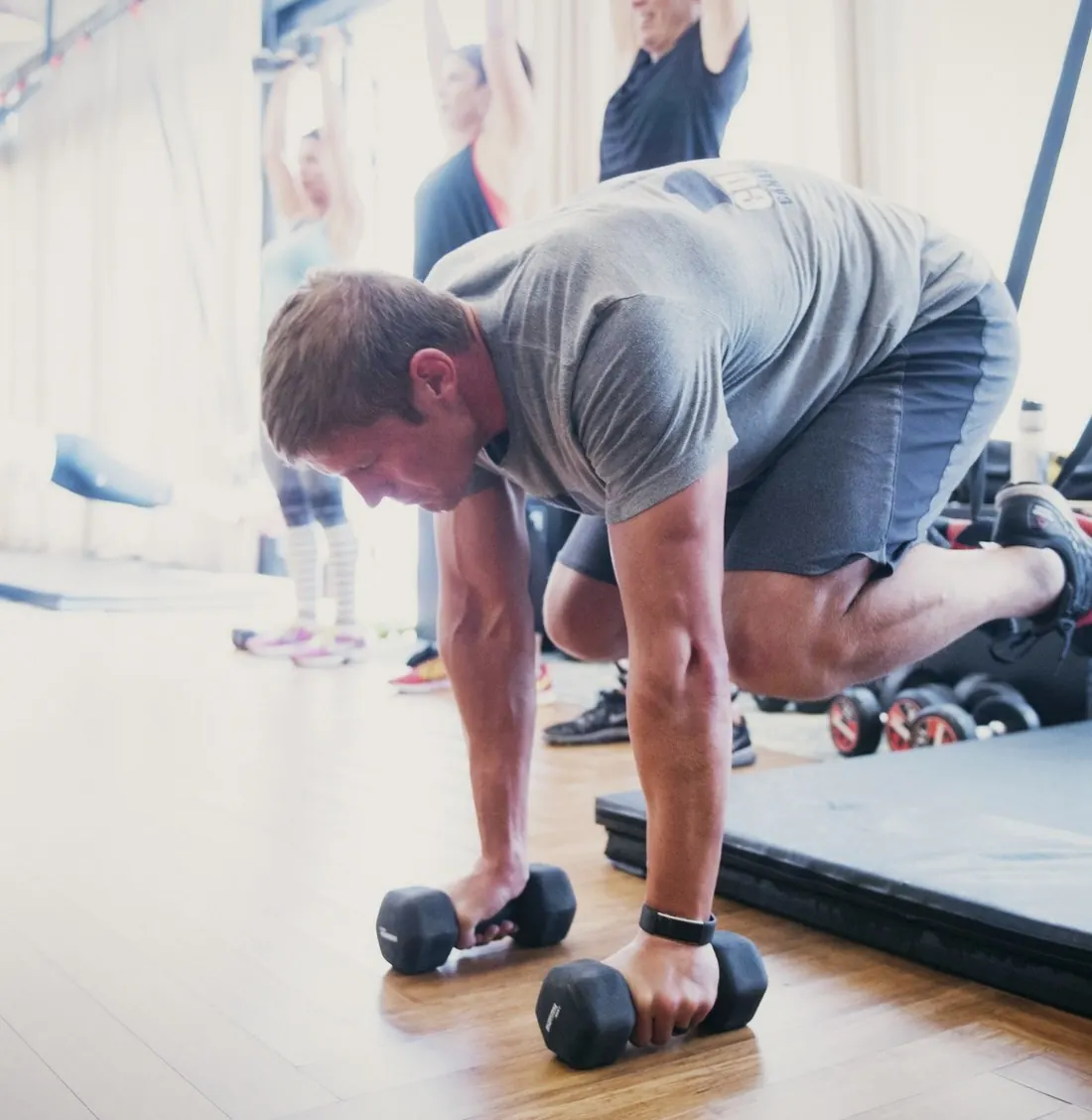
- Train, even briefly. Short, regular sessions beat heroic ones you skip. Dai is training for HYROX Vancouver at 49, shoulder rehab and all. The point is not the race. It is having something that keeps the body honest.
- Protect sleep like a meeting. It is the first thing leaders trade away and the last thing they should.
- Notice the quiet signs. Training becomes optional, reading stops, small decisions take longer. See Founder burnout: the signs you are ignoring.
- Have one honest conversation a week. With a partner, a peer or a coach. Pressure shrinks when it is said out loud.
When to get help
If the same pattern keeps returning, consider the kind of support it requires. Executive health coaching can support habits and accountability; clinical symptoms need qualified assessment.
Related reading
- Executive health coaching in Vancouver: how it works
- Executive health coaching or executive coaching?
- Resilience speaker in Vancouver, if you want this for your whole team
See the coaching page or start a conversation.
What the sleep research does and does not tell us
A meta-analysis of 70 articles examined short-term total sleep deprivation and found a large effect on lapses in simple attention (g = -0.776). This supports taking sleep loss seriously. It does not quantify the effect of an ordinary busy week, diagnose burnout or prove a coaching programme works. Use changes in sleep as a reason to review demands, not as a verdict on your ability.
Support and limits
Coaching and small habits are not substitutes for medical care or mental health treatment. If persistent anxiety, low mood or sleep problems are affecting daily life, speak with a qualified health professional.
Next step