

Workplace wellbeing guide · November 5, 2026
Workplace wellbeing: what actually helps teams, and what does not
By Dai Manuel · Updated November 5, 2026
Workplace wellbeing works when it changes how work is done, not just what perks are on offer. Here is what the WHO recommends and how a talk fits in.
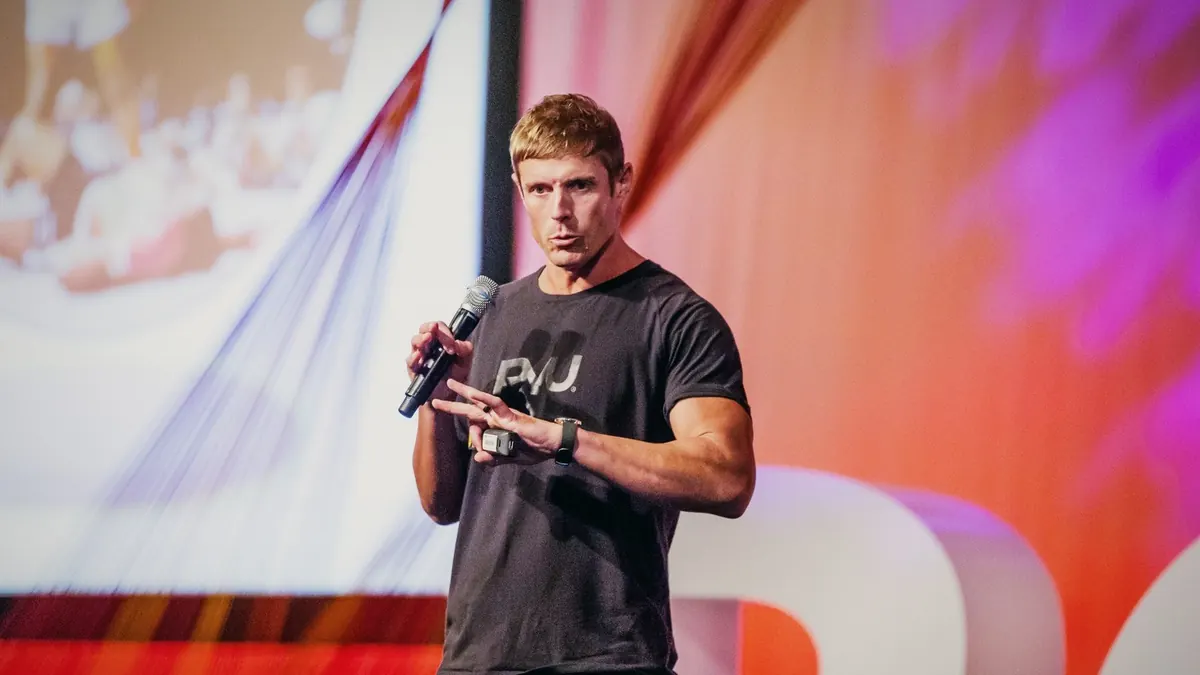
Workplace wellbeing is not a fruit bowl or a meditation app. The World Health Organization's guidance is clear that the most effective step an employer can take is to change working conditions themselves: workload, flexibility, how people are managed and how harassment is handled. Individual tools and talks help, but they work best on top of those changes, not instead of them.
Key takeaways
Key takeaway
- Workplace wellbeing works best when employers change working conditions first, train managers second and support individuals third. A talk gives teams shared language and simple habits, and it lands best as part of that bigger plan.
I started coaching friends and family in 1994 and have coached professionally since 1995. I now speak to teams and leadership groups about health, habits and performance. This guide covers why wellbeing matters to a business, what the evidence says works, and where a speaker fits.
Why does workplace wellbeing matter?
Because poor mental health at work is common and expensive. The WHO estimates that 12 billion working days are lost every year to depression and anxiety, at a cost of about US$1 trillion a year in lost productivity.
It is also widespread. WHO figures show that in 2019, 15% of working-age adults were living with a mental disorder.
For a leader, that means wellbeing is not a side project for HR. It shows up in absence, turnover, errors and how well people make decisions.
What does the evidence say works?
The WHO guidelines on mental health at work group the options into a few types.
Change the work itself
WHO recommends that employers start with organizational interventions. These assess, then reduce or remove, risks to mental health in how work is set up. Examples include flexible working arrangements and frameworks for dealing with violence and harassment at work.
In plain terms: look at workload, hours, control and how people are treated before you add anything new.
Train managers
WHO also recommends manager training for mental health. Managers who can spot distress early and respond well protect their people, and their own health too.
Support individuals
Training individuals in stress management and building healthy habits is the third layer. This is where most wellness programmes start, and it is the layer that works least on its own.
Where does a speaker fit?
A talk will not fix a broken workload. What it can do is give people shared language, practical habits they can start the same day, and permission to take recovery seriously.
That is how I use the 2% Solution with teams. Thirty minutes a day, about 2% of 24 hours: 15 minutes of movement, 5 minutes of stillness and 10 minutes of reading or learning. It is small enough for a busy team to try together, and leaders can model it.
The best results come when the talk is part of a bigger plan. If leadership is also looking at workload and manager support, a keynote gives that work a starting point people remember.
For fees, formats and how to brief a speaker, see my wellness keynote guide. If you are planning an event, request a speaking quote and tell me about your team.
Common questions
What is workplace wellbeing?
How work affects the physical and mental health of the people doing it. The WHO focuses on reducing risks in how work is organized, training managers and supporting individual workers.
How much does poor mental health cost employers?
The WHO estimates 12 billion working days are lost each year to depression and anxiety, costing about US$1 trillion a year in lost productivity worldwide.
What workplace wellbeing measures work best?
WHO recommends starting with organizational interventions that reduce risks in working conditions, such as flexible working and frameworks for harassment, then manager training, then individual support.
Can a wellness keynote make a difference?
A talk will not fix workload on its own. It gives people shared language and habits they can start that day, and works best alongside changes leadership is already making.
How do I book Dai to speak to my team?
Request a speaking quote with your date, audience and goals. The wellness keynote guide covers formats and fee ranges.
Sources
Next step